Spermidine and Autophagy: Food Sources and the Human Evidence
Spermidine appears to induce autophagy, the cellular recycling process linked to longevity, and it is abundant in wheat germ, aged cheese and natto. Animal data are strong; human evidence is mostly observational.
Spermidine is a polyamine that induces autophagy, the cellular recycling process that declines with age
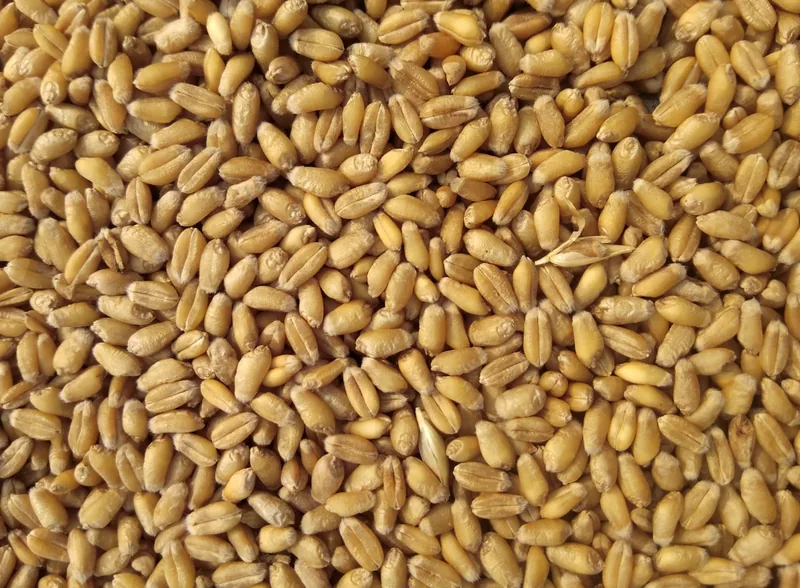
Wheat germ is the richest dietary source; aged cheese and mushrooms also contain meaningful amounts
Observational studies (not trials) associate higher dietary spermidine with lower all-cause mortality — association, not proof
Small pilot trials of spermidine for memory in older adults gave modest, inconsistent signals; the larger 12-month SmartAge RCT (Schwarz et al., JAMA Netw Open 2022) found no significant memory benefit
Trial doses (roughly 1 to 6 mg/day) are far below animal doses by body weight — translation to humans is uncertain
Spermidine has one of the least appetizing names in nutrition science — it was first isolated from semen, hence the label — and one of the more compelling stories behind it. It is a naturally occurring compound that appears to switch on autophagy, the process by which cells digest and recycle their own worn-out parts.
Autophagy has become a central character in aging research, and spermidine is one of the few dietary molecules shown to induce it across species. Better still, you do not need a supplement to encounter it: it is abundant in everyday foods. That grounding in ordinary diet makes spermidine unusually approachable — though, as always, approachable is not the same as proven.
The Autophagy Connection
Autophagy — literally “self-eating” — is cellular housekeeping. The cell packages damaged proteins, dysfunctional mitochondria, and other debris, then breaks them down for reuse. This recycling keeps cells functional, and its decline with age is implicated in many age-related diseases, from neurodegeneration to metabolic dysfunction.
Spermidine, a polyamine, appears to induce autophagy in part by influencing the acetylation of cellular proteins, nudging cells toward the cleanup mode. Fasting and exercise also stimulate autophagy; spermidine is intriguing because it seems to trigger a similar response through diet.
If fasting works partly by forcing cells to clean house, spermidine may offer a dietary route to a similar signal — without the missed meals.
What The Evidence Shows
In model organisms — yeast, flies, worms, and mice — spermidine supplementation has extended lifespan and improved markers of cardiac and neurological health. The animal data are reasonably consistent and mechanistically coherent, which is more than many longevity compounds can claim.
Human evidence is earlier but not absent, and this is where spermidine is genuinely interesting:
Several observational studies of dietary intake have associated higher spermidine consumption with lower mortality and better cardiovascular outcomes.
Small pilot trials have explored spermidine supplementation for memory performance in older adults at risk of cognitive decline, with modest and not always consistent signals.
Mechanistic studies in humans confirm that intake can raise blood levels and appears to engage autophagy-related pathways.
The honest caveat: the strongest human data are observational, and people who eat more spermidine-rich foods (whole grains, legumes, vegetables) tend to eat better overall. Disentangling spermidine from a generally healthy diet is difficult, and reverse causation and confounding are real concerns.
Where To Find It In Food
One of spermidine’s genuine advantages is that it is a normal part of the human diet, and dietary sources come bundled with other nutrients. Particularly rich foods include:
Wheat germ (one of the densest sources)
Aged and mature cheeses
Natto and other fermented soy products
Mushrooms
Legumes — soybeans, peas, lentils, chickpeas
Whole grains and some leafy greens
Fermentation tends to increase polyamine content, which is why aged and fermented foods score high. For many people, simply leaning into these foods is a defensible, low-risk way to raise intake — and it comes with the broader benefits of those foods.
Supplements And Dosing
Spermidine supplements, often standardized wheat-germ extracts, have appeared on the market. Trial doses have commonly fallen in the range of roughly 1 to 6 milligrams per day, though dietary intakes vary widely and the “optimal” amount for any health outcome is genuinely unknown.
A few practical considerations:
Whole-food sources deliver spermidine alongside fiber, polyphenols, and protein — arguably a better package than an isolated extract.
Supplement potency and labeling can vary; standardized extracts are more reliable than vague “polyamine” blends.
Spermidine is well tolerated in studies to date, with no major safety signals at dietary-range intakes.
There is a theoretical wrinkle worth flagging: because polyamines support cell proliferation, some researchers have raised questions about high-dose supplementation in people with active cancers. This is speculative rather than established, but it is a reasonable reason for caution in specific medical situations. This isn’t medical advice — when in doubt, ask a clinician.
Aspect
Spermidine status
Mechanism
Autophagy induction (well-supported)
Animal lifespan data
Reasonably consistent
Human data
Mostly observational, some small trials
Food sources
Abundant and accessible
Safety
Good at dietary ranges
A Measured Take
Spermidine is one of the more attractive longevity candidates precisely because it is dietary, well-tolerated, and tied to a mechanism — autophagy — that sits at the center of aging biology. But the human causal evidence is still thin, leaning heavily on associations that healthier diets could explain.
The pragmatic move is the unglamorous one: eat more of the foods that contain it. You gain the spermidine plus everything else those foods offer, and you sidestep the question of whether an isolated extract does anything a varied diet does not.
The Bottom Line
Spermidine plausibly engages autophagy, a genuinely important aging pathway, and it is refreshingly present in ordinary food. The animal evidence is encouraging and the human evidence is early and largely observational. Favoring wheat germ, legumes, and fermented foods is a sensible, low-risk way to act on the science without overcommitting to claims it cannot yet support.
This article is for general education and is not medical advice.
The lifting dose linked to longer life is far smaller than a bodybuilding split: pooled cohorts put the lowest mortality at about 30 to 60 minutes of strength work a week, on top of cardio.
Many trackers default to 10,000 steps, a figure from a Japanese slogan rather than a trial. Cohort data put the plateau at 6,000 to 8,000 steps a day after 60 and 8,000 to 10,000 before it.
Resveratrol is poorly absorbed, and human trials show small, inconsistent metabolic effects — it can even blunt some exercise adaptations. What the trials found and what the red-wine story leaves out.
SelfHacking Editorial · 5 Sep 2026 · 10 min
Readers
Comments
Leave a comment
Spermidine and Autophagy: Food Sources and the Human Evidence4 min


Readers
Comments
Leave a comment