Plant Compounds and Pain: How the Endocannabinoid System Works
Your endocannabinoid system helps regulate pain and inflammation. What reviews and surveys report about hemp-derived plant compounds, and where the evidence stops.
Chronic pain affects an estimated 50 million U.S. adults (CDC, 2016 National Health Interview Survey; Dahlhamer et al., MMWR 2018). And while pharmaceutical options dominate the conversation, a growing wave of research — and real-world experience — is pointing toward something older: the plants we have shared the planet with for thousands of years.
What changed is not the plants. It is our understanding of why they work.
The Endocannabinoid System
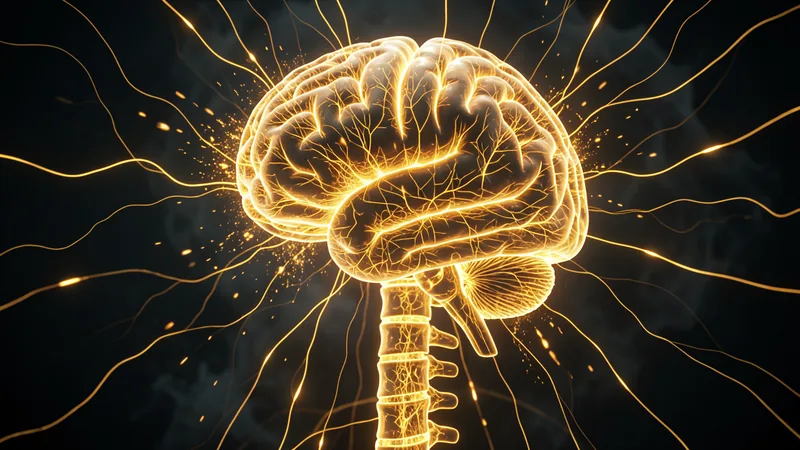
Your body has a pain-regulation network that rarely comes up in a routine medical visit. It is called the endocannabinoid system (ECS) — and it is one of the most widespread receptor networks in the human body.
The ECS includes receptors in your brain, spinal cord, immune cells, and peripheral tissues. Its primary job is maintaining balance — regulating pain signals, inflammation, sleep, and stress response. Think of it as your body's internal thermostat for discomfort.
Plant-derived compounds called phytocannabinoids happen to fit the same receptors that the body's own endocannabinoids use. These are naturally occurring molecules found in hemp and other botanicals that fit into your body's existing receptor architecture like a key in a lock.
Phytocannabinoids and the Inflammation Connection
Much chronic pain — from injury, overuse, or age-related joint change — involves inflammation, although nerve (neuropathic) pain runs on a different pathway. The body's inflammatory response, while protective in the short term, can become self-perpetuating and damaging when it lingers.
Phytocannabinoids interact with CB1 and CB2 receptors throughout the body. CB2 receptors are particularly dense in immune tissue, and activation of these receptors has been associated in research with modulation of pro-inflammatory cytokines — the signaling molecules that amplify and sustain inflammatory pain.
A 2020 review in the International Journal of Molecular Sciences (Mlost et al.) summarized the preclinical and clinical evidence on cannabidiol and pain and concluded it is promising but still limited.
The Entourage: Why Whole-Plant Matters
Here is a simple way to think about it: hemp plants contain hundreds of natural compounds — not just one. When you take a whole-plant extract, all of those compounds work together. When you take an isolate (just one compound by itself), you lose that teamwork.
Researchers call this the entourage effect — the idea that the full plant works better than any single ingredient pulled from it. It is similar to how eating an orange gives you more than just vitamin C in pill form. The other compounds in the orange help your body absorb and use it.
Three plant compounds stand out in the research:
Beta-caryophyllene — also found in black pepper and cloves — binds the CB2 receptor, and animal studies link this to reduced inflammatory signaling.
Myrcene — found in hops and mangoes — is often said to help other compounds cross cell membranes, but that idea rests on laboratory and anecdotal sources and has not been tested in people.
Quercetin and kaempferol — flavonoids also present in hemp — show anti-inflammatory activity in laboratory studies through a separate pathway.
The entourage effect remains a hypothesis: some studies favor full-spectrum extracts over isolates, but head-to-head human data are limited.
What People Are Actually Experiencing
Clinical trials take years. But patient-reported outcomes are accumulating fast. A 2018 survey of 2,409 CBD users in Cannabis and Cannabinoid Research (Corroon & Phillips) found chronic pain was the most common reason for use — a self-report, not a measured effect. Anxiety, depression and sleep problems were the next most commonly cited conditions.
Some respondents reported using less over-the-counter or prescription pain medication; this is self-reported and is not a reason to change any prescribed treatment without a clinician.
The Recovery Angle: Inflammation After Exercise
It is not just chronic pain patients paying attention. Athletes and fitness-focused individuals are increasingly exploring plant-based recovery support — not as a medical intervention, but as a lifestyle optimization tool.
Exercise-induced inflammation is a normal physiological process, but excessive post-workout inflammation can impair recovery, disrupt sleep, and reduce training consistency over time. Supporting the ECS during the recovery window — when the body is actively repairing tissue — is an area of growing interest among sports scientists.
Hemp-derived botanicals are increasingly showing up in recovery stacks for this reason, often alongside omega-3s and adaptogens like ashwagandha.
Quality, Sourcing, and What to Look For
Hemp products vary widely in which compounds they actually contain and in how much of the label claim is really present, which is why the checks below matter more than the marketing on the front of the bottle.
Third-party Certificate of Analysis (COA) — confirms potency and screens for contaminants
Full-spectrum or broad-spectrum labeling — indicates whole-plant extraction, not isolate
Extraction method — CO2 extraction avoids residual solvents; whichever method is used, the certificate of analysis should include solvent testing
Domestic hemp sourcing — U.S.-grown hemp is subject to USDA oversight and testing requirements
A third-party certificate of analysis is the single most useful thing to check on any hemp product label: it confirms what is actually in the product and screens for contaminants. Label claims about potency and spectrum are only as good as the lab report behind them.
The Bottom Line
Pain is complex. There is no single solution that works for everyone. But the endocannabinoid system represents a genuinely promising frontier — one that is finally getting the scientific attention it deserves after decades of research restrictions.
Plant compounds that interact with this system are not a fringe idea. They are a logical extension of how the body already works. For people who have not found relief with conventional options, this is an active area of research rather than a proven alternative.
As with any supplement approach, consult with a healthcare provider — especially if you are managing a diagnosed condition or taking medications. The conversation around plant-based pain support has moved from anecdote into formal research, but the controlled trials that would settle it are still being run.
This article is for general education and is not medical advice. Talk to a qualified healthcare provider before starting any supplement, especially if you are pregnant, nursing, taking medication or managing a diagnosed condition.
Three COSMOS sub-studies found a daily multivitamin nudged memory scores in adults over 60. How big the effect is, why an earlier trial found nothing, and where cancer, heart and lifespan data stand.
Human trials link bovine colostrum to lower gut permeability, fewer respiratory symptoms in hard-training athletes and modest lean-mass gains. The doses used, the limits and the safety picture.
Turkesterone has no human trials. Its cousin ecdysterone has a 10-week trial showing modest lean-mass gains and a later one showing none. Mechanism, study doses and the product-quality problem.
SelfHacking Editorial · 5 Sep 2026 · 9 min
Readers
Comments
Leave a comment
Plant Compounds and Pain: How the Endocannabinoid System Works5 min


Readers
Comments
Leave a comment