
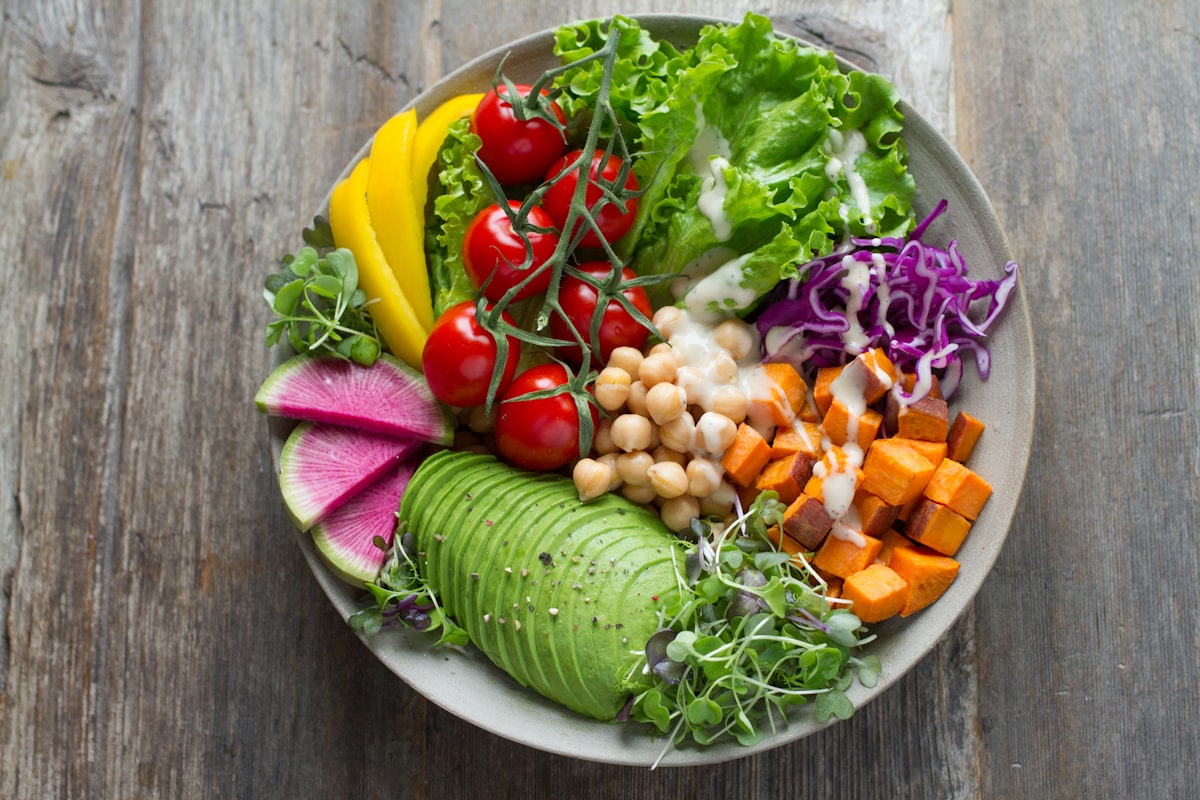
Why Does Your Gut Act Up Even When You Eat Clean? The Answer Involves Your Body Clock
Chronic bloating and gut dysfunction that does not respond to elimination diets often has...
I Ran for Three Years and Got Slower — Here Is What the Research Says About Why
Most recreational athletes train exclusively in the grey zone between easy and hard, which...
How Exercise Repairs a Damaged Heart — What 63 Clinical Trials Found
Fewer than 25% of eligible cardiac patients ever attend rehab — yet the evidence shows it...
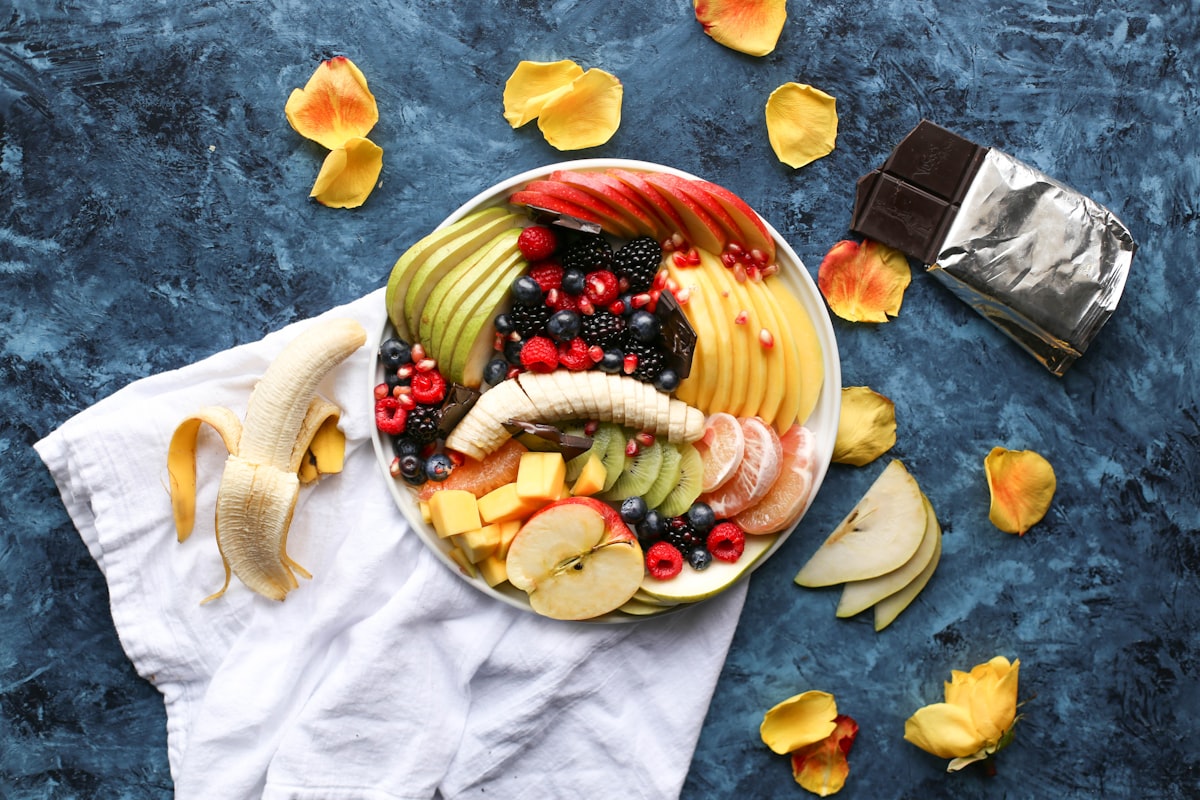
Why Your Gut Bacteria Are Starving (And What They Need)
The average American eats six times less fiber than our ancestors did. The downstream effects go...
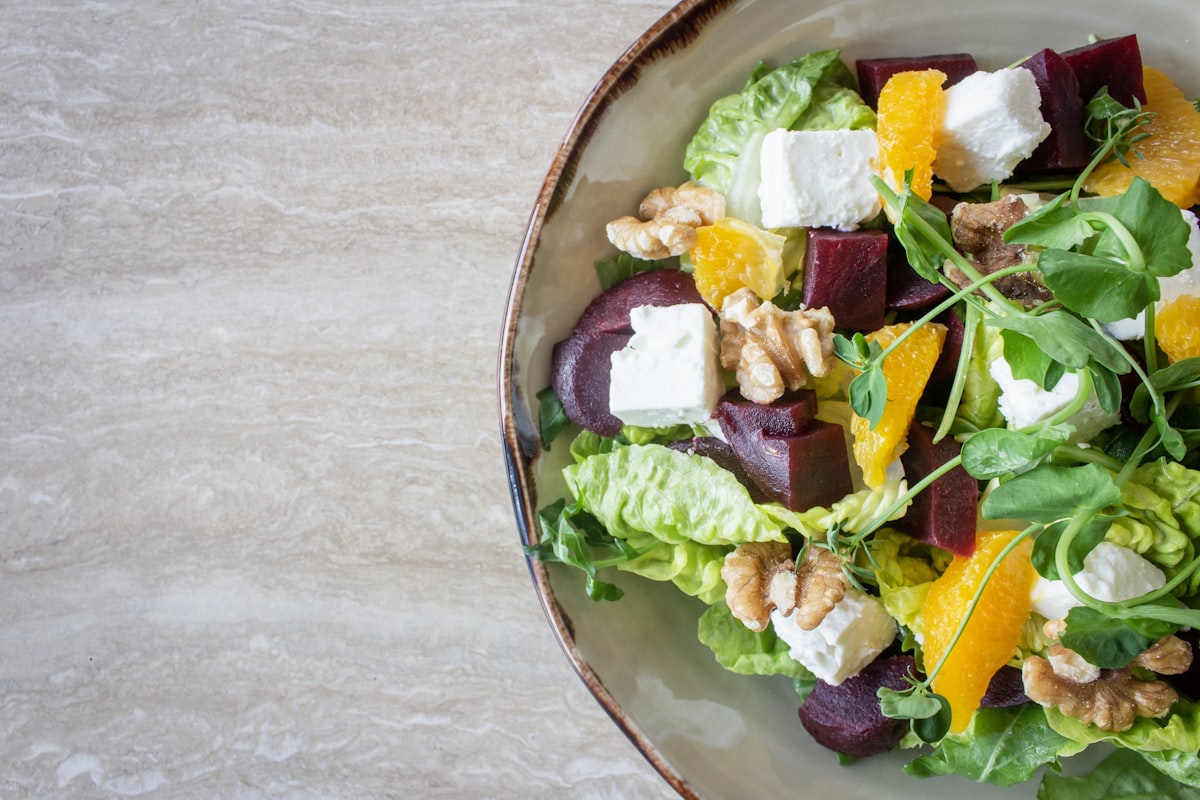
The Complete Guide to Gut Health: Microbiome, Probiotics, and the Gut-Brain Axis
Evidence-based breakdown of the gut microbiome, leaky gut, probiotics, prebiotics, fermented...

The Five Stages of Grief Are Wrong — Here's What the Neuroscience Actually Shows
The five stages of grief aren't stages. Here's what the neuroscience actually shows about how...

Burnout Is a Neurological State, Not a Weakness — Here's How to Actually Recover
Burnout is a recognized clinical syndrome with measurable neurobiological effects — HPA axis...
Epithalon: The Telomere Peptide and the Science of Cellular Aging
Epithalon is a tetrapeptide that activates telomerase and may extend telomere length. Decades of...

Astaxanthin: What 50+ Human Trials Show About the Most Potent Antioxidant You're Not Taking
Astaxanthin has over 50 human trials behind it and credible evidence for skin aging,...
5-HTP: The Serotonin Precursor That Actually Crosses the Blood-Brain Barrier
5-HTP sits one step from serotonin and crosses the blood-brain barrier freely. Here's what the...

Resveratrol: The Red Wine Molecule That Disappointed Scientists — and Why It's Still Worth Understanding
Resveratrol gets more press than almost any longevity compound — but the clinical story is more...
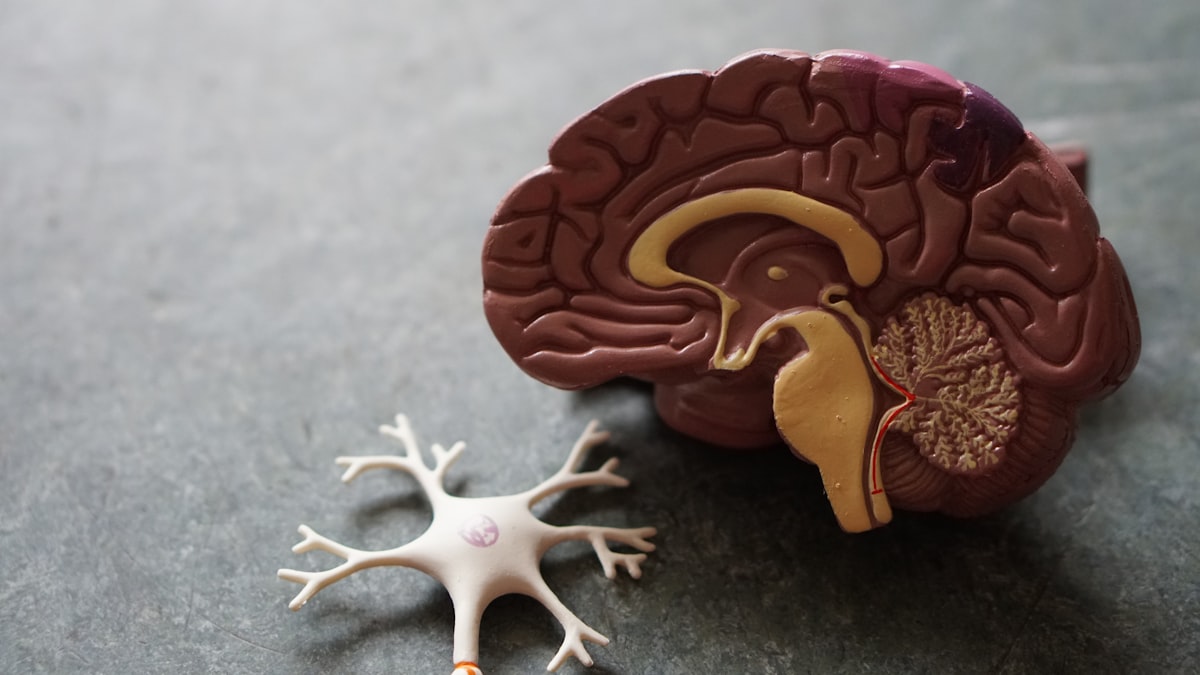
Magnesium L-Threonate: The Form That Actually Reaches Your Brain
Most magnesium supplements don't reach your brain. Magnesium L-threonate was engineered to cross...
Heat Acclimation: The Overlooked Performance Edge
Deliberately training your body to handle heat produces measurable physiological...
Berberine: What the Evidence Says About "Nature's Ozempic"
Berberine went viral as "nature's Ozempic." It does have real metabolic evidence, though the...
Kratom, Explained: What It Is, the Risks, and the Legal Picture
Kratom acts on the brain's opioid receptors. Here is an evidence-based look at how it works, the...
Adaptogens: What Ashwagandha and Rhodiola Can (and Can't) Do
Adaptogens are herbs claimed to help the body resist stress. Ashwagandha has the strongest...
Magnesium for Sleep and Stress: Useful, Oversold, or Both?
Magnesium is one of the most popular sleep supplements. The evidence is modest and mixed. Here...

Fisetin: A Senolytic in Your Fruit Bowl
Fisetin is a flavonoid found in strawberries that screened as the most potent natural senolytic...
Curcumin: Solving the Bioavailability Problem
Curcumin shows real anti-inflammatory promise in studies, but plain turmeric powder is so poorly...

Blue Light, Screens, and Your Circadian Clock
Blue light suppresses melatonin and shifts your body clock, but the screen-time panic...
Lion's Mane: Can a Mushroom Grow Your Brain?
A shaggy white mushroom is marketed as a nerve-regenerating nootropic — the lab story is...